Table of Contents
If you’re into vermicomposting or organic gardening, you’ve probably heard of red wigglers. But did you know that what people often call “red worms” can actually be two different species—Eisenia fetida and Eisenia andrei?
They look similar and are often sold interchangeably, but they’re not exactly the same. Understanding their differences can help you make better decisions for composting, research, or farming.
In this article, we’ll break down the top 5 differences between Eisenia fetida and Eisenia andrei in a simple and practical way.
1. Color and Appearance
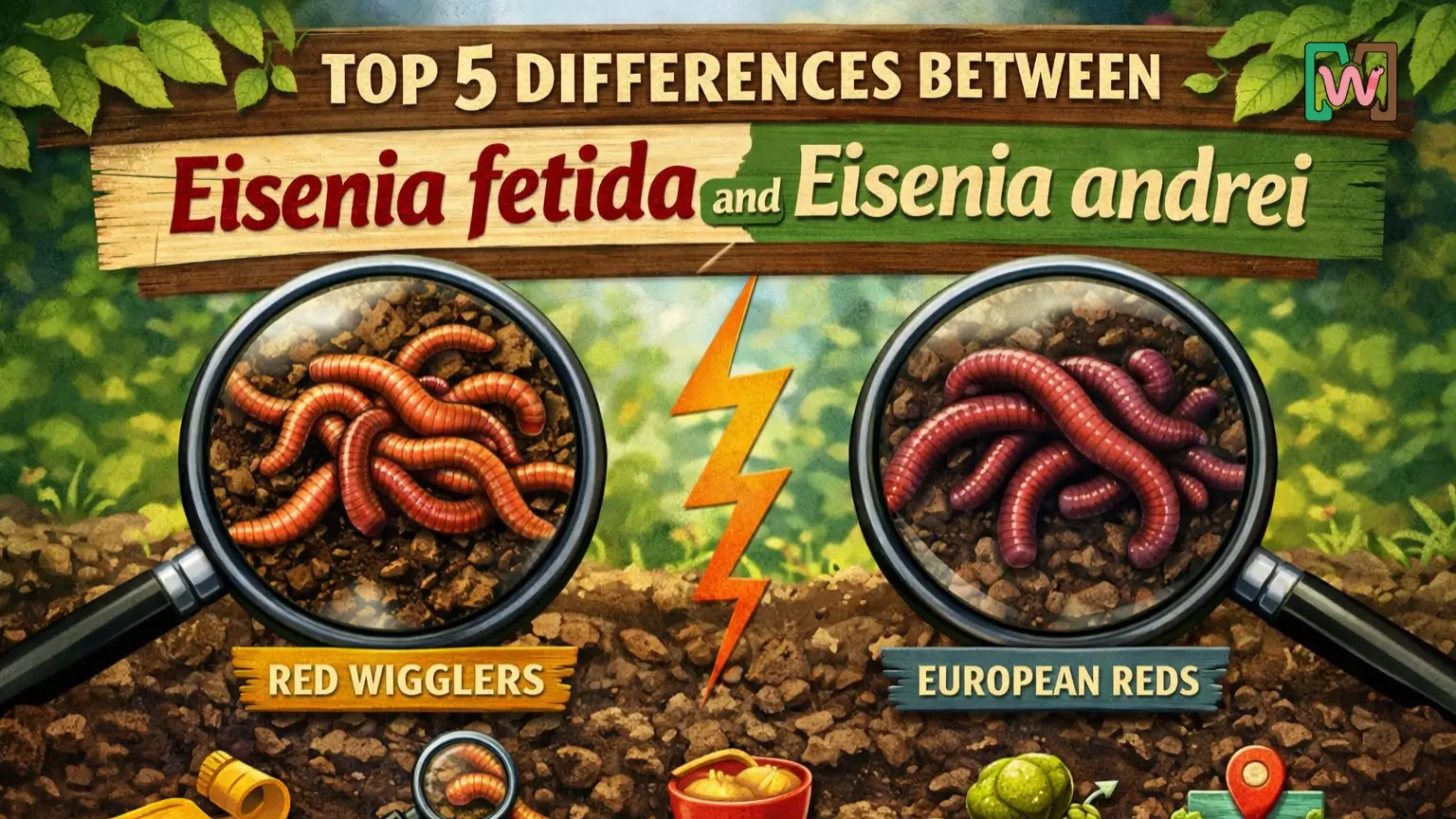
One of the easiest ways to distinguish these two species is by their color:
- Eisenia fetida:
Typically has reddish-brown bands with pale yellow stripes, giving it a “tiger-like” appearance. - Eisenia andrei:
Usually appears uniformly dark red or burgundy, without distinct striping.
👉 Quick Tip: If the worm has strong banding, it’s likely E. fetida. If it looks solid red, it’s probably E. andrei.
2. Genetic Differences
Although they are closely related, these worms are genetically distinct species.
- Scientists use molecular tools (like DNA sequencing) to differentiate them.
- Despite similar habitats and behavior, their genetic makeup is different enough to classify them separately.
👉 This difference matters especially in scientific research and breeding programs.
Must Read :
How to Choose the Best Red Wigglers (Eisenia fetida) for Your Worm Bin
3. Reproduction and Hybridization
Reproduction is where things get interesting:
- Both species are hermaphrodites, meaning each worm has male and female reproductive organs.
- They can mate with each other, but:
- Hybrid offspring are rare or less viable.
- Cross-species reproduction is not always successful.
👉 This suggests a partial reproductive barrier, reinforcing that they are separate species.
4. Composting Performance
Both worms are widely used in vermicomposting, but there are subtle differences:
- Eisenia fetida:
- Extremely hardy
- Tolerates fluctuating conditions (temperature, moisture, pH)
- Ideal for beginners
- Eisenia andrei:
- Often shows slightly faster growth and reproduction rates under optimal conditions
- May be preferred in controlled composting systems
👉 Bottom Line: Both are excellent composters, but E. fetida is more resilient, while E. andrei may be more efficient in stable environments.
5. Behavior and Habitat Preference
These worms share similar habitats but show minor behavioral differences:
- Eisenia fetida:
- More adaptable to changing or harsh environments
- Common in manure piles and outdoor compost heaps
- Eisenia andrei:
- Prefers more stable, nutrient-rich organic matter
- Often found in well-maintained compost systems
👉 These differences can influence which species thrives better in your setup.
Quick Comparison Table
| Feature | Eisenia fetida | Eisenia andrei |
|---|---|---|
| Color | Reddish with yellow banding | Uniform dark red |
| Genetics | Distinct species | Distinct species |
| Reproduction | Limited hybrid success | Limited hybrid success |
| Composting Ability | Hardy and adaptable | Faster in optimal conditions |
| Habitat Preference | Variable environments | Stable environments |
Must Read : Red Wiggler Worms 101: Everything You Need to Know About Eisenia Fetida
Which One Should You Choose?
For most composting enthusiasts:
- Choose Eisenia fetida if you want a low-maintenance, beginner-friendly worm.
- Choose Eisenia andrei if you’re aiming for maximum efficiency in a controlled system.
👉 In reality, many compost bins contain a mix of both—and that works just fine!
Final Thoughts
While Eisenia fetida and Eisenia andrei are often confused, they have clear differences in appearance, genetics, reproduction, performance, and behavior. Knowing these distinctions can improve your composting success and deepen your understanding of vermiculture.

Pure Red Wiggler Composting Worms For Sale
Transform your food scraps and yard waste into rich, organic compost with Red Wiggler Composting Worms – Eisenia Andrei for Vermicomposting, Soil Health, and Organic Gardening. ALSO KNOWN AS CALIFORNIA RED Composting WORMS. These hardworking worms are nature’s composters, ideal for converting organic matter into nutrient-dense worm castings (also known as black gold). Perfect for home composters, gardeners, educators, and eco-conscious households.
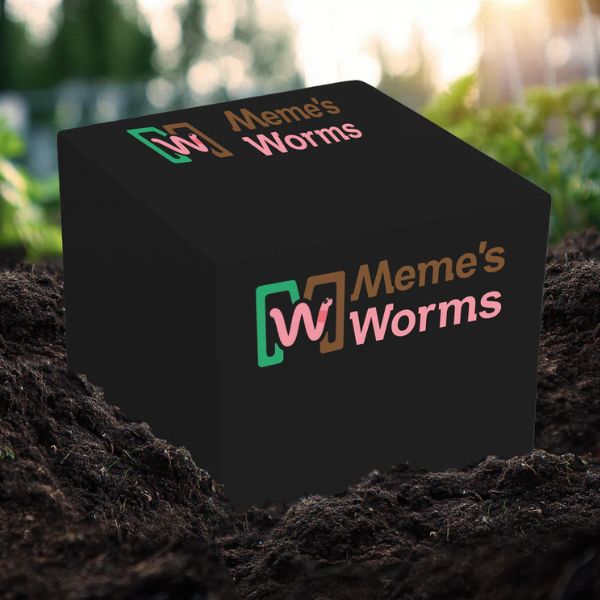
Living Material + Red Wiggler Composting Worms Eisenia andrei
What to expect when buying Red Wigglers in Living Material: You’ll receive a 10×8×6 box containing a balanced composting blend of Eisenia andrei composting worms, nutrient-rich castings, and naturally active material (including cocoons and beneficial microbes).
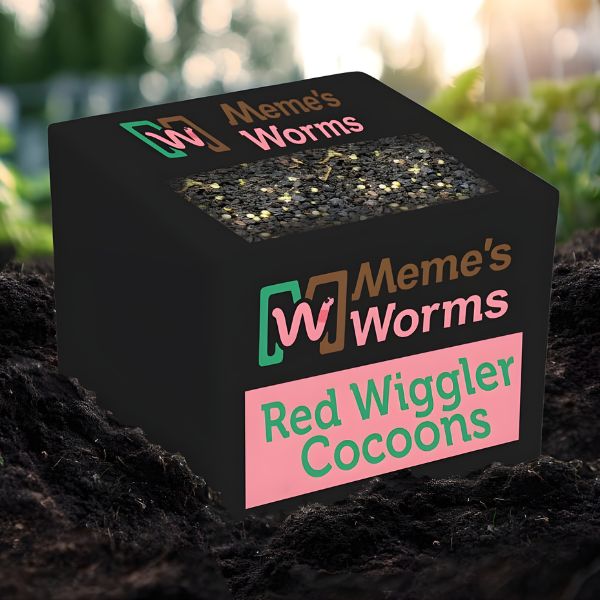
Pure Red Wigglers Worm Cocoons - Composting Worms Eisenia Fetida
Our Worm Cocoons (Eisenia fetida) are a simple, reliable, and eco-friendly way to start or expand your composting setup. Each order includes cocoons embedded in rich, biologically active material to preserve freshness and composting potential during transport.

People Also Ask:
Red Wiggler Reproduction
What is the main difference between Eisenia fetida and Eisenia andrei?
The main difference is their appearance and genetics. Eisenia fetida has striped, banded coloring, while Eisenia andrei is uniformly dark red. They are also genetically distinct species.
Can Eisenia fetida and Eisenia andrei live together?
Yes, both species can live together in the same compost bin without issues. They have similar habitat needs and often coexist naturally in vermicomposting systems.
Which worm is better for composting: Eisenia fetida or Eisenia andrei?
Both are excellent composting worms.
- Eisenia fetida is more hardy and beginner-friendly.
- Eisenia andrei may perform slightly better in controlled conditions.
Can Eisenia fetida and Eisenia andrei interbreed?
They can mate, but successful reproduction is limited, and hybrids are rare or less viable. This is one reason they are considered separate species.
How can I identify Eisenia fetida vs Eisenia andrei?
You can identify them by color:
- Eisenia fetida → reddish with yellow stripes (tiger-like)
- Eisenia andrei → solid dark red
Are Eisenia fetida and Eisenia andrei the same as red wigglers?
Yes, both species are commonly referred to as red wigglers, which is why they are often confused or sold interchangeably.
Do Eisenia andrei reproduce faster than Eisenia fetida?
In ideal conditions, Eisenia andrei may reproduce slightly faster than Eisenia fetida, but the difference is usually small in home composting setups.
Which worm is better for beginners?
Eisenia fetida is generally better for beginners because it is more tolerant of environmental changes like temperature and moisture fluctuations.
Do these worms require different composting conditions?
No, both species thrive in similar conditions:
- Moist, organic-rich bedding
- Moderate temperatures (15–25°C)
- Good aeration
Why is it important to know the difference between Eisenia fetida and Eisenia andrei?
Knowing the difference helps in:
- Accurate identification
- Scientific research
- Optimizing composting performance
However, for most home composters, the distinction is not critical.

Samantha Flowers
Hi, I’m Samantha aka Meme, founder of Meme’s Worms, a commercial worm farm based in Valdosta, Georgia. I’m a hands-on worm farmer, educator, and business owner who has spent years raising, harvesting, and shipping Red Wigglers, European Nightcrawlers, and composting worms to gardeners, homesteaders, educators, and commercial growers across the United States. Everything I teach and write about here is based on real-world experience, not theory. View More