I hear this question more than almost any other: how do I make a worm bed that actually works? Most people want something simple. They do not want smells, bugs, or dead worms. They want a setup that is easy to manage and gives good results.
In this guide, I will walk you through exactly how I make a worm bed. I will explain why each step matters, what mistakes to avoid, and how to set things up so worms stay healthy. I will keep this clear, calm, and at an easy level so anyone can follow along.
What Is a Worm Bed?
A worm bed is the home where composting worms live. It holds bedding, food, moisture, and air. When done right, worms eat food scraps and turn them into castings. Those castings are rich in compost.
A worm bed is not soil. It is more like a soft sponge made of paper, cardboard, and organic matter.
Why Making the Worm Bed the Right Way Matters
Most worm problems start with the bed itself.
If the bed is:
- Too wet, worms try to escape
- Too dry, worms slow down
- Too compact, worms struggle
When the bed is balanced, worms settle in and work.
What Kind of Worms Need a Worm Bed?
This guide is for composting worms, not garden earthworms.
The most common types are:
- Red wigglers
- Other surface-dwelling compost worms
These worms live near the top and need soft bedding.
Must Read : How Long Do Composting Worms Live?
Where Can You Put a Worm Bed?
You can make a worm bed:
- Indoors
- In a garage
- In a basement
- Outdoors in shade
The best spots stay between 55°F and 80°F and avoid direct sun.
What You Need to Make a Worm Bed
Before you start, gather simple supplies.
You will need:
- A bin or container
- Bedding material
- Water
- Composting worms
- Food scraps
You do not need fancy tools or expensive kits.
Choosing a Container for Your Worm Bed
The container holds everything together.
Good options include:
- Plastic storage bins
- Wooden boxes
- Stackable worm bins
The container should be:
- Shallow rather than deep
- Wide enough for worms to spread
Worms live on the surface, not deep underground.
Air and Drainage Holes
This step is often skipped, and it causes problems.
Your bin needs:
- Small air holes on the sides
- Drainage holes on the bottom
Place a tray under the bin to catch liquid. This keeps the bed from flooding.
Must Read : How Worms Sense Moisture and Air
Bedding: The Most Important Part
Bedding is the worm bed itself. Worms live in it, eat some of it, and move through it.
Good bedding materials:
- Shredded cardboard
- Shredded newspaper
- Coconut coir
Avoid: Glossy paper Thick cardboard chunks Dry bedding
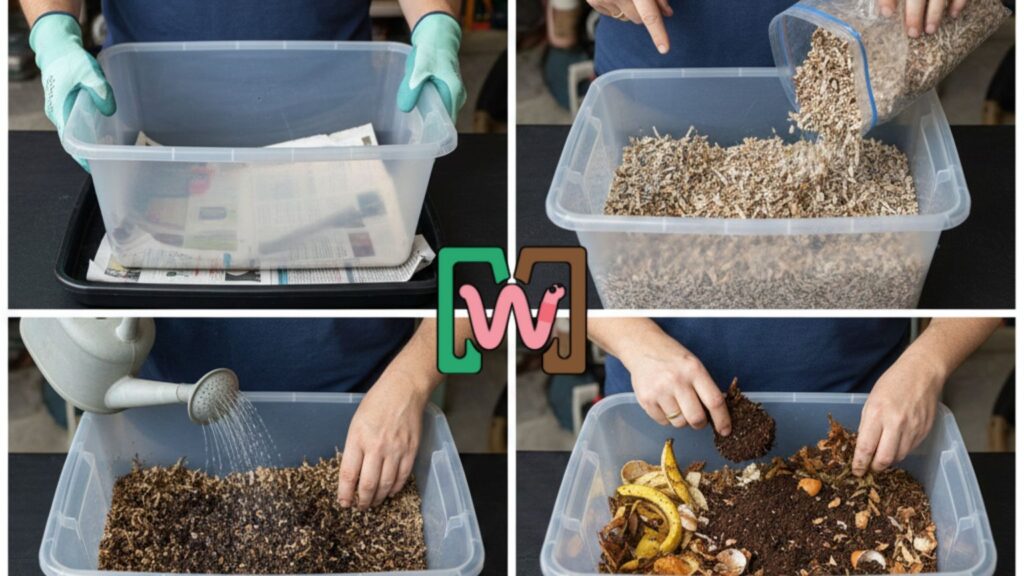
How to Prepare Bedding Correctly
I always do this the same way.
Steps:
- Shred bedding into thin strips
- Soak it in water
- Squeeze out extra water
The bedding should feel like a wrung-out sponge.
This moisture level keeps worms breathing and moving.
How Deep Should the Worm Bed Be?
This is a common question.
I aim for:
- 6 to 8 inches of loose bedding
Do not pack it down. Fluff matters.
Loose bedding allows air flow and movement.
Adding Worms to the Bed
Once the bed is ready, add the worms.
Steps:
- Place worms on top of the bedding
- Leave the bin open with light for a few minutes
Worms will burrow down on their own. That tells you the bed feels right.
If worms try to crawl out, check moisture and air.
Feeding Worms in a New Worm Bed
This is where people rush.
I start slow.
Good starter foods:
- Vegetable scraps
- Coffee grounds
- Soft fruit scraps
Bury food under bedding. Start with small amounts and wait until it disappears.
Overfeeding is the fastest way to ruin a worm bed.
How Often to Feed a Worm Bed
In the beginning:
- Feed once every 5–7 days
As the system matures:
- Feed more often
- Spread food in different areas
Worms eat based on conditions, not schedules.
How Often to Feed a Worm Bed
In the beginning:
- Feed once every 5–7 days
As the system matures:
- Feed more often
- Spread food in different areas
Worms eat based on conditions, not schedules.
Moisture Control in a Worm Bed
Moisture is key.
A good worm bed is:
- Damp, not dripping
- Soft, not muddy
If it is too wet:
- Add dry shredded cardboard
If it is too dry:
- Mist lightly with water
Balance keeps worms calm.
How to Keep a Worm Bed from Smelling
A healthy worm bed smells earthy, not rotten.
Smells usually mean: Too much food Poor airflow Too much moisture
Fixes:
- Remove extra food
- Add bedding
- Improve ventilation
Smell is a signal, not a failure.
Indoor vs Outdoor Worm Beds
Both work well when managed right.
Indoor worm beds:
- Stay more stable
- Work year-round
Outdoor worm beds:
- Handle larger volumes
- Need temperature protection
Choose based on space and climate.
How Long Does It Take for a Worm Bed to Work?
Most worm beds settle in within:
- 2 to 4 weeks
You will see:
- Worms spreading out
- Food disappearing faster
- Darker bedding
This means the system is alive.
Must Read : Worm Behavior Basics: How Worms Sense Their Environment
Signs Your Worm Bed Is Healthy
I look for these signs:
- Worms active and spread out
- No strong odors
- Bedding breaking down evenly
If you see these, you are doing it right.
Common Worm Bed Mistakes
I see these often.
Adding soil Packing bedding down Feeding too much Letting bedding dry out
Most problems fix themselves when you return to basics.
Expanding or Rebuilding a Worm Bed
As worms multiply, you may want to expand.
You can:
- Add more bedding
- Start a second bin
- Split the worm population
A strong worm bed grows with time.
How Do I Make a Worm Bed Outdoors?
The steps are the same with a few extras.
Outdoor tips:
- Keep in shade
- Protect from rain
- Insulate in cold weather
Outdoor worm beds need weather awareness.
Must Read : Why Worms Live in the Dark (And Why Light Stresses Them)
Is Making a Worm Bed Worth It?
For most people, yes.
A worm bed:
- Reduces food waste
- Creates rich compost
- Needs little effort once set
The key is starting simple and staying consistent.
Final Thoughts
If you are asking how do I make a worm bed, the answer is not complicated. Build a soft, moist, airy home. Feed lightly. Watch and adjust.
When the bed is right, worms do the rest.
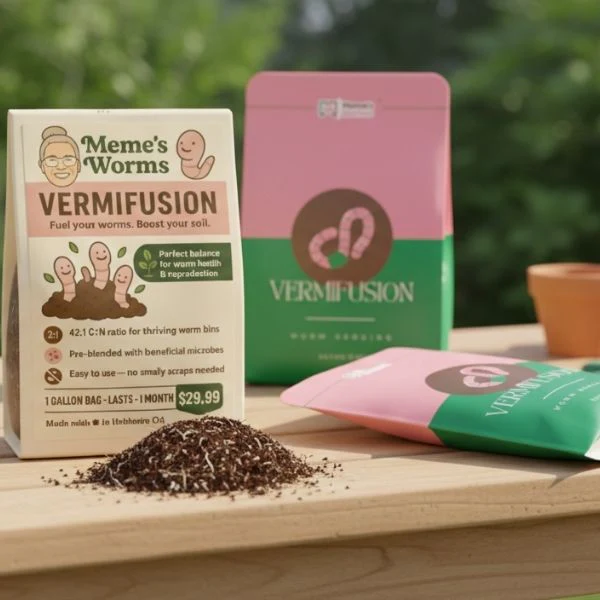
Memes VermiFusion Blend Worm Bedding
Meme’s VermiFusion Blend Worm Bedding is the ultimate bedding for worms, carefully crafted to create a cozy, nutrient-rich, and highly effective environment for your composting system. Whether you’re a beginner experimenting with your first worm bin or an advanced vermicomposter managing multiple bins, this premium worm bedding ensures your worms stay healthy, active, and highly productive.
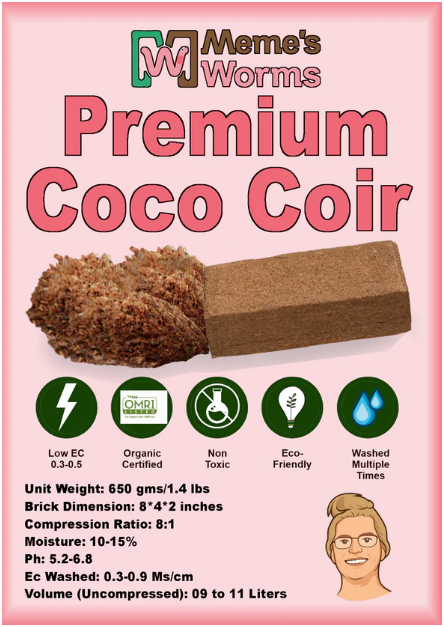
Coco Coir - Worm Bedding
Coco Coir is a proven, eco-friendly worm bedding and soil amendment made from coconut husks. Known for its superior water retention and aeration qualities, coco coir worm bedding creates the perfect environment for your composting worms to thrive. By using this natural and sustainable material, you’re not only improving the health of your worm bin but also contributing to a more sustainable composting system.
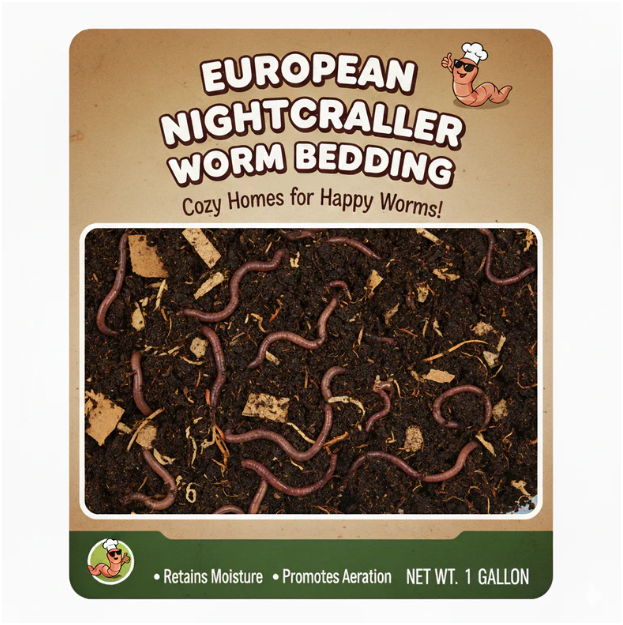
Worm Bedding EcoFluff
Introducing EcoFluff Worm Bedding by Meme's Worms — a sustainable and efficient solution for your vermiculture needs. This bedding is specially crafted to provide the perfect environment for your composting worms to thrive while supporting eco-friendly composting practices.