Mimis Worms

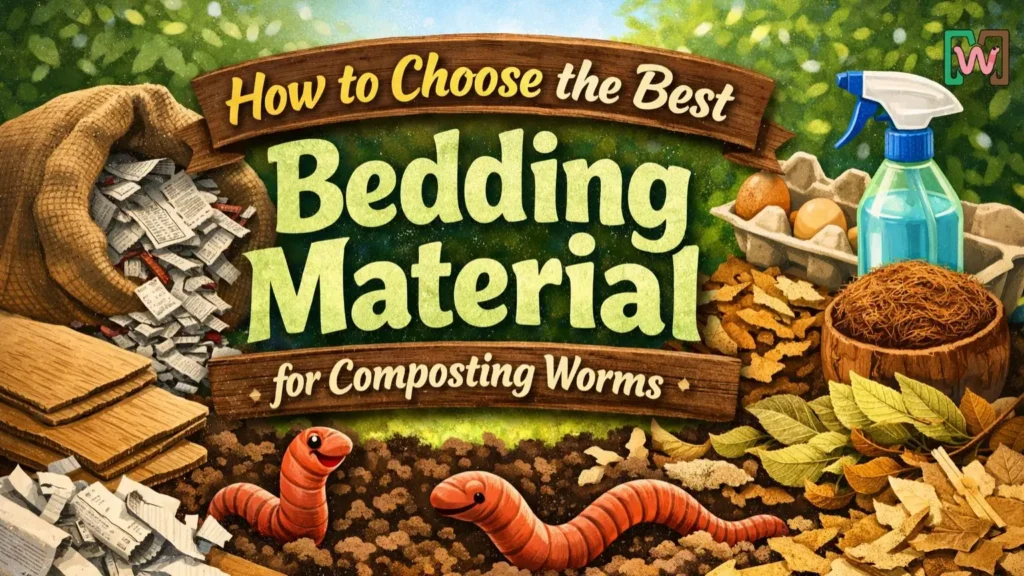
How to Choose the Best Bedding Material for Composting Worms

How to Choose the Best Bedding Material for Composting Worms

When I first started vermicomposting, I thought feeding worms was the most important part. I focused on kitchen scraps and ignored one crucial thing—the bedding.


Big mistake.


Within a few weeks, my worm bin started smelling bad, the worms weren’t as active, and I could tell something was off. That’s when I realized bedding is just as important as food—if not more.

After testing different materials and making a few mistakes along the way, I finally understood what works best. In this guide, I’ll share everything I’ve learned so you can choose the best bedding material for composting worms without trial and error.

What Is Worm Bedding (And Why It Matters)

In simple terms, bedding is the material where your worms live. Think of it as their home.

From my experience, good bedding does three things:

  • Keeps moisture balanced
  • Provides airflow
  • Gives worms a safe and comfortable environment

Without proper bedding, even the best worm food won’t help.

What I Look for in Good Worm Bedding

Over time, I started noticing patterns in what worked and what didn’t.

Here’s what I now look for in bedding material:

1. Moisture Retention

Worms breathe through their skin, so they need a moist environment. I always choose bedding that holds moisture but doesn’t become soggy.

2. Good Airflow

If bedding is too compact, it blocks airflow. I learned this the hard way when my bin started smelling.

3. Neutral pH

Extremely acidic or alkaline materials can harm worms. I stick to neutral, natural materials.

4. Chemical-Free

This is very important. I avoid anything with ink, chemicals, or pesticides.


Must Read : Best Ways to Catch Earthworms Quickly (Tested Methods)


Best Bedding Materials (What Worked for Me)

After experimenting, these are the materials I trust the most:

1. Shredded Newspaper (My Favorite Starter Option)

This is what I recommend to every beginner.

Why I Like It:

  • Easy to find
  • Cheap or free
  • Holds moisture well

How I Use It:

I shred newspaper into strips, soak it in water, and squeeze out excess moisture before adding it to the bin.

👉 My Tip: Avoid glossy or colored pages.

2. Cardboard (Highly Reliable)

Cardboard has been one of the most consistent materials in my setup.

My Experience:

Whenever I add cardboard, I notice better airflow and happier worms.

How I Use It:

  • Tear into small pieces
  • Soak in water
  • Mix with other bedding

3. Coconut Coir (Best Premium Option)

When I wanted to upgrade my worm bin, I tried coconut coir—and I was impressed.

Why It Works:

  • Excellent moisture retention
  • Clean and odor-free
  • Long-lasting

My Take:

It’s a bit expensive compared to paper, but totally worth it if you want a low-maintenance setup.

4. Dry Leaves (Natural and Effective)

This is one of the most natural bedding options.

What I Noticed:

Dry leaves create a very balanced environment and improve airflow.

How I Use Them:

I crush the leaves slightly and mix them with moist materials.

5. Aged Compost (Advanced Option)

Once my bin matured, I started adding old compost as bedding.

Why It Helps:

  • Contains beneficial microbes
  • Creates a natural habitat

👉 I recommend this only after your bin is stable.
Bedding Materials I Avoid (Learn From My Mistakes)

Not everything works well. Here are a few things I avoid now:

  • ❌ Glossy paper or magazines
  • ❌ Fresh grass clippings (they heat up)
  • ❌ Sawdust from treated wood
  • ❌ Synthetic materials

I tried some of these early on, and they either caused smell or stressed the worms.

How I Prepare Bedding (Step-by-Step)

This is the exact process I follow now:

  1. Shred or break the material
  2. Soak it in water
  3. Squeeze out excess water (it should feel like a damp sponge)
  4. Fluff it up for airflow
  5. Add it to the bin

👉 This simple method has worked perfectly for me.


Must Read : How Do Earthworms Reproduce? A Simple and Scientific Guide


My Ideal Bedding Mix (What Works Best)

Instead of using just one material, I’ve found that mixing works best.

My Go-To Mix:

  • 50% shredded paper/cardboard
  • 30% dry leaves
  • 20% coconut coir or compost

This combination gives:

  • Perfect moisture balance
  • Good airflow
  • A natural environment

Signs Your Bedding Is Good (or Bad)

I always observe my worm bin to understand if things are working.

Good Signs:

  • Earthy smell
  • Active worms
  • Moist but not soggy

Bad Signs:

  • Foul odor
  • Worms trying to escape
  • Too wet or too dry

Whenever I see bad signs, I adjust the bedding immediately.

How Often I Change Bedding

This depends on your setup, but here’s what I do:

  • Add fresh bedding every 2–3 weeks
  • Replace completely every few months (if needed)

Regular maintenance keeps the bin healthy and productive.

Final Thoughts

If there’s one thing I wish I knew earlier, it’s this—good bedding makes everything easier.

Once I got the bedding right, my worm bin became:

  • Odor-free
  • Easy to maintain
  • Much more productive

If you’re just starting out, begin with shredded paper and cardboard, then slowly experiment with other materials.

Trust me, once you find the right balance, vermicomposting becomes incredibly simple and satisfying.

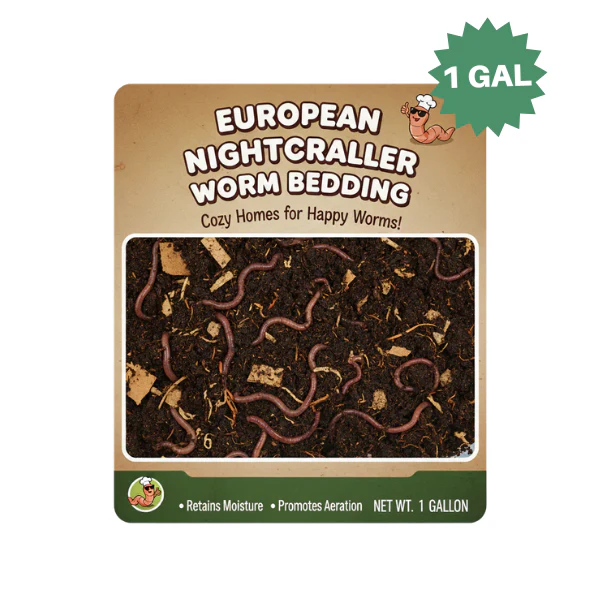
European Nightcrawler Food - Best Bedding

Give your European Nightcrawlers the perfect start with Meme’s Worms European Nightcrawler Bedding. Specially formulated for Euros, this pre-made bedding eliminates all the guesswork in worm care. There’s no need to add food scraps or extra ingredients—just place your worms directly into the bedding and let them thrive.

Worm Bedding EcoFluff

Introducing EcoFluff Worm Bedding by Meme's Worms — a sustainable and efficient solution for your vermiculture needs. This bedding is specially crafted to provide the perfect environment for your composting worms to thrive while supporting eco-friendly composting practices.

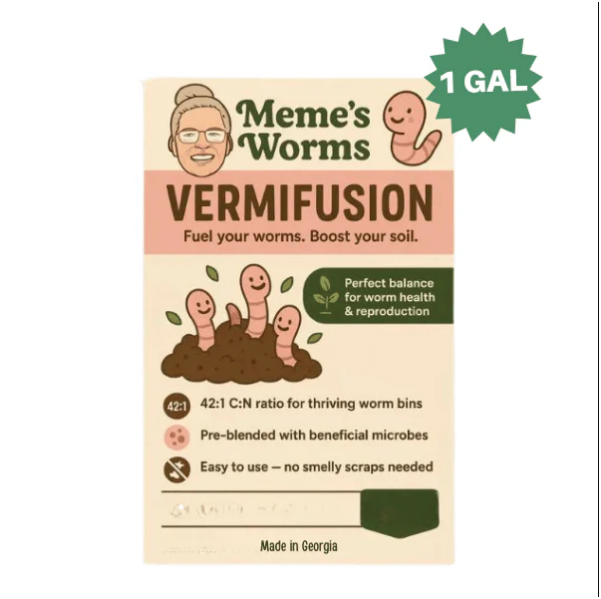
Memes VermiFusion Blend Worm Bedding

Memes VermiFusion Blend Worm Bedding

Meme’s VermiFusion Blend Worm Bedding is the ultimate bedding for worms, carefully crafted to create a cozy, nutrient-rich, and highly effective environment for your composting system. Whether you’re a beginner experimenting with your first worm bin or an advanced vermicomposter managing multiple bins, this premium worm bedding ensures your worms stay healthy, active, and highly productive.

Frequently Asked Questions

What is the best bedding for composting worms?

From my experience, shredded newspaper and cardboard are the best beginner-friendly options.

I tried this early on, but it’s not ideal. Soil doesn’t provide enough airflow or structure.

It should feel like a damp sponge—not dripping wet and not dry.

Coconut coir holds moisture better, but paper is cheaper. I use both depending on my setup.

I usually add fresh bedding every 2–3 weeks to keep the balance right.

Yes, over time worms will break down and consume bedding like paper and cardboard.

Leave a Comment

Your email address will not be published. Required fields are marked *

Scroll to Top