Table of Contents
Harvesting worm castings is one of those steps that sounds bigger than it really is.
If you’re wondering:
- “Am I harvesting too early?”
- “Will I hurt my worms?”
- “What if I mess this up?”
You’re not alone.
I’m Meme (Samantha). I run a commercial worm farm, and I still see beginners delay harvesting because they’re afraid of doing it wrong. I’ve harvested castings too early, too late, too wet, and too dry — and learned what actually matters. I’ve killed more worms than my customers ever will — so you don’t have to.
The first few times I harvested castings, I made it way harder than it needed to be. I waited too long because I thought the timing had to be perfect. Other times I rushed because I was excited to use them.
Over time, I learned that harvesting isn’t a single moment you can miss — it’s a window. And worms are far more forgiving than people think.
This guide shows you how to harvest worm castings the easy way, using three beginner-friendly methods, how to keep your worms safe, and how to dry and cure castings so they stay fluffy and alive.
First: You Don’t Need to Rush Harvesting
Let’s get this out of the way:
Harvesting is not urgent. Worm castings don’t spoil quickly, and worms are perfectly happy living in them for a while. Harvest when:
- The bin looks dark and crumbly
- Bedding is mostly broken down
- Worms are spread evenly
If your bin still has lots of bedding, waiting is often better.
In my own bins, I’ve let worms live in finished castings far longer than beginners usually feel comfortable with — and nothing bad happened. The worms stayed healthy, the bin stayed stable, and harvesting later was often easier.
Rushing harvests caused me more problems than waiting ever did.
What Finished Worm Castings Look and Smell Like
Before choosing a method, it helps to know what you’re aiming for.
- Dark brown or black
- Crumbly, fluffy texture
- Smell earthy (like soil)
Not-Quite-Ready Castings:
- Muddy or sticky
- Smell sour
- Mixed with lots of food
If castings look wet, drying comes after harvesting — not before.
Learn More about “Signs Your Worms Are Healthy (Or Not)”
Early on, I mistook muddy material for finished castings more than once. It looked dark, so I assumed it was ready. It wasn’t.
Once I started trusting smell and texture over color alone, harvesting got much more consistent.
The 3 Easiest Ways to Harvest Worm Castings
You only need one method. Choose the one that fits your comfort level.
I’ve used all three of these methods at different scales — from small indoor bins to larger working systems. None of them are “wrong.” The best method is the one you’ll actually do without stressing yourself or the worms.
Method 1 (Most Beginner-Safe): Migration Method
This is the default method I recommend for beginners.
How It Works
You move food to one side of the bin and let worms migrate away from finished castings.
Step-by-Step
- Push finished material to one side
- Add fresh bedding + food to the other side
- Wait 1–2 weeks
What You Should See
- Worms gather near the fresh food
- The old side becomes mostly castings
Harvest
Scoop out the darker, worm-free side. This method is slow — and that’s why it works so well.
This is the method I still fall back on when I want zero drama. It takes patience, and it almost never causes problems.
When someone tells me they’re scared to harvest, this is always where I start them.
Method 2: Light Separation Method (Hands + Patience)
This method works well for small bins or spot harvesting.
Step-by-Step
- Dump bin contents onto a tray or table
- Make small piles
- Shine a light overhead
What You Should See
- Worms move downward
- Castings remain on top
Brush off castings slowly and return worms to the bin. This takes time, but it’s very gentle.
I still use this method when I only need a small amount of castings. It’s slower, and your hands get dirty, and it gives you a great feel for how active and healthy your worms actually are.
If you’re nervous about harming worms, this method usually builds confidence fast.
Method 3: Screen or Sifter Method
This method is faster but slightly more hands-on.
Step-by-Step
- Use a screen or sifter
- Shake gently over a container
What You Should See
- Castings fall through
- Worms stay on top
This works best when castings are not overly wet.
Screening is efficient, and it’s also where people tend to rush. Every time I’ve had issues with worms getting stressed during harvest, it was because I tried to go too fast with a sifter.
Gentle shaking beats speed every time.
Worm Safety (Important Reassurance)
You will not hurt your worms by harvesting.
Worms are:
- Flexible
- Resilient
- Used to movement
As long as you:
- Move slowly
- Keep bedding available
- Return worms promptly
They’ll be just fine.
I’ve harvested castings thousands of times. Worm losses happen far more often from neglect or poor bin conditions than from harvesting itself.
Drying vs Curing Worm Castings (Simple Explanation)
These are different steps — and both matter.
Drying (Short-Term)
Drying removes excess moisture.
How to dry:
- Spread castings thin
- Let air circulate
- Stop when they’re crumbly, not dusty
Never bake, heat, or sun-dry.
Curing (Long-Term)
Curing lets microbes stabilize.
How to cure:
- Store slightly moist castings
- Keep them covered but breathable
- Let them rest 1–2 weeks
Cured castings stay fluffy and biologically active.
One of the most common mistakes I see is people over-drying castings because they’re afraid of mold. I’ve done this too — and it turns great castings into lifeless dust.
Slight moisture is not a problem. Lifeless castings are.
How to Store Worm Castings After Harvesting?
Simple storage works best.
Good Storage:
- Breathable bags or bins
- Slight moisture
- Cool, shaded area
Avoid:
- Sealed airtight containers
- Letting castings dry completely
- Washing castings
Living castings work better than sterile ones.
Castings I stored slightly moist and breathable have always performed better than castings I tried to “protect” by sealing them tight.
Common Harvesting Mistakes (Easy to Avoid)
These are very common — and fixable.
- Harvesting too early
- Letting castings get muddy
- Letting castings dry into dust
- Leaving worms without fresh bedding
If something feels off, slow down. I’ve made every mistake on this list at least once. None of them ruined my bins permanently. Slowing down fixed almost all of them.
When to Harvest Again?
Harvesting isn’t a one-time event. Most bins are harvested:
- Every few months
- Or in small batches as needed
Worm bins are continuous systems — not empty-and-reset projects.
Once I stopped treating harvesting like a reset and started treating it like maintenance, everything became easier — including knowing when to harvest next.
A Gentle Reminder About Worm Productivity
Healthy worms make better castings. If castings are slow or uneven, check:
- Bedding balance
- Feeding pace
- Moisture
Mid-post gentle mention: Worms raised in stable, compost-rich environments tend to produce castings more consistently.
In my experience, bins that stay stable produce castings steadily. When production slows, it’s almost always a system issue — not a worm issue.
People Also Ask:
Harvesting Worm Castings
How do you harvest worm castings?
Worm castings can be harvested using the migration method, light separation, or a screen. The migration method is the easiest for beginners and keeps worms safe.
When should you harvest worm castings?
Harvest when bedding is mostly broken down and the bin looks dark and crumbly. There’s no rush — waiting longer is often better.
How do you separate worms from castings?
You can separate worms by moving food to one side of the bin, using light to encourage worms downward, or screening castings gently.
Should worm castings be dried before use?
Yes, lightly drying castings helps improve texture. Castings should be crumbly, not wet or dusty.
How do you store worm castings?
Store castings slightly moist in breathable containers, away from heat and sunlight. This keeps beneficial microbes alive.
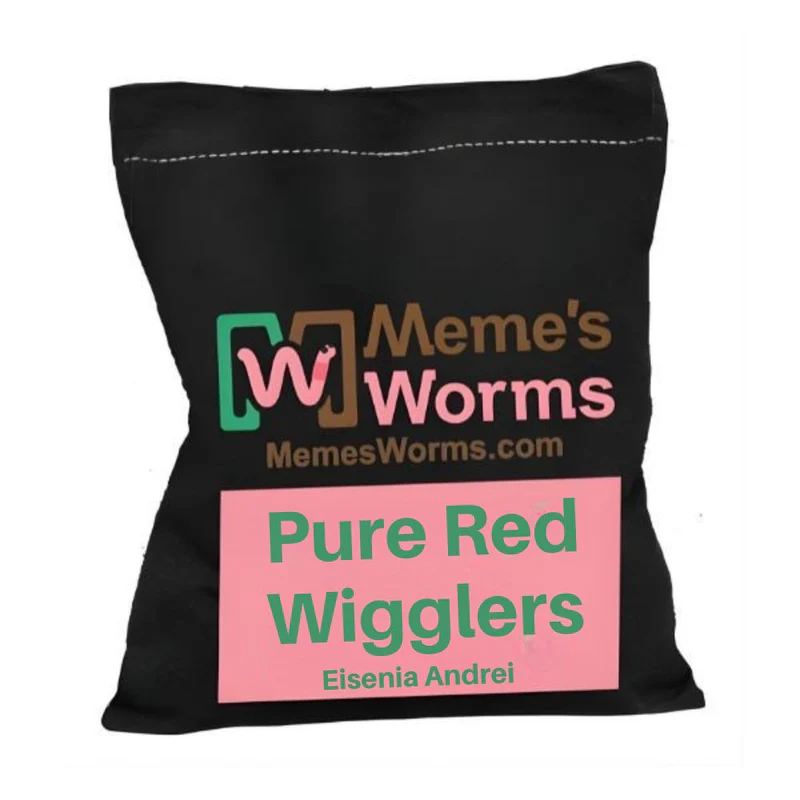
Pure Red Wiggler Composting Worms For Sale
Transform your food scraps and yard waste into rich, organic compost with Red Wiggler Composting Worms – Eisenia Andrei for Vermicomposting, Soil Health, and Organic Gardening. ALSO KNOWN AS CALIFORNIA RED Composting WORMS. These hardworking worms are nature’s composters, ideal for converting organic matter into nutrient-dense worm castings (also known as black gold). Perfect for home composters, gardeners, educators, and eco-conscious households.
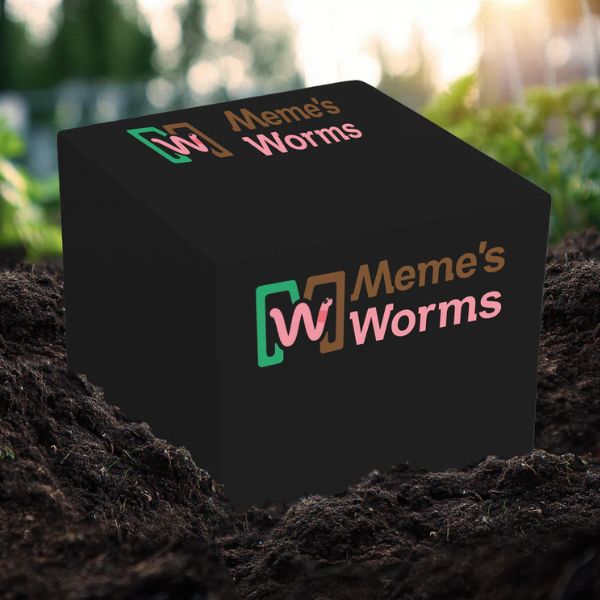
Living Material + Red Wiggler Composting Worms Eisenia andrei
What to expect when buying Red Wigglers in Living Material: You’ll receive a 10×8×6 box containing a balanced composting blend of Eisenia andrei composting worms, nutrient-rich castings, and naturally active material (including cocoons and beneficial microbes).
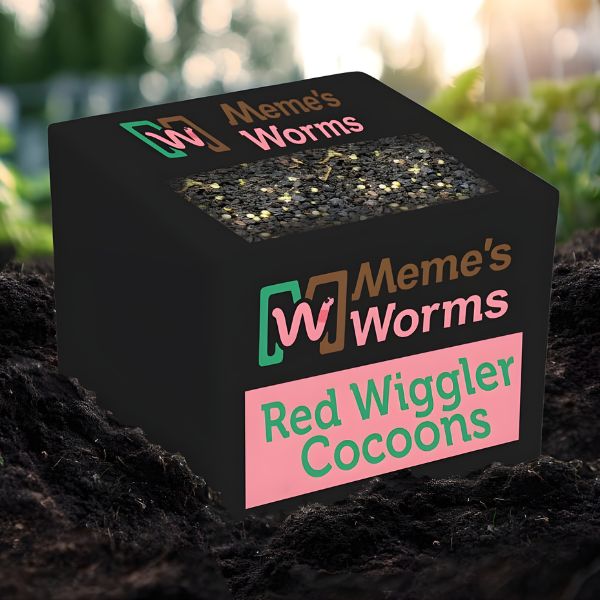
Pure Red Wigglers Worm Cocoons - Composting Worms Eisenia Fetida
Our Worm Cocoons (Eisenia fetida) are a simple, reliable, and eco-friendly way to start or expand your composting setup. Each order includes cocoons embedded in rich, biologically active material to preserve freshness and composting potential during transport.
Final Reassurance
You don’t need perfect timing or fancy tools. If your castings:
- Smell earthy
- Feel crumbly
- And your worms stay healthy
You’re doing it right. Harvesting should feel calm — not stressful.
Harvesting doesn’t need perfect timing, special tools, or confidence you don’t have yet. If your castings smell right, feel right, and your worms stay active, you’re already doing this well.
Calm systems produce good castings. Calm harvesting keeps systems calm.

Samantha Flowers
Hi, I’m Samantha aka Meme, founder of Meme’s Worms, a commercial worm farm based in Valdosta, Georgia. I’m a hands-on worm farmer, educator, and business owner who has spent years raising, harvesting, and shipping Red Wigglers, European Nightcrawlers, and composting worms to gardeners, homesteaders, educators, and commercial growers across the United States. Everything I teach and write about here is based on real-world experience, not theory. View More