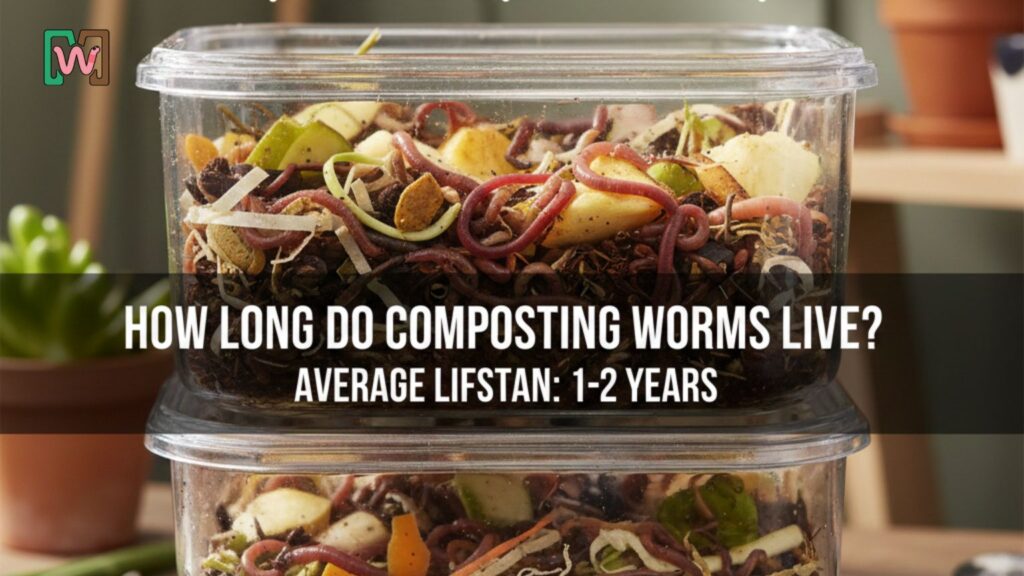
By Samantha (Meme), Founder of Meme’s Worms — Commercial Worm Farmer
If you’re asking how long worms live, you’re probably worried about one of two things: Are my worms dying too fast? Am I doing something wrong in my worm bin?
I’m Samantha — most people call me Meme — and I raise composting worms every day in real worm bins and production systems. I’ve also killed more worms than most beginners will ever own. That’s how I learned this truth:
Worms don’t usually die from age. They die from imbalance.
The lifespan of composting worms depends far more on how they’re cared for than how old they are. When conditions are right, worms can live for years. When conditions are off, worms can decline fast — even if they’re young.
If you’re new to worms, this guide will give you clarity and confidence without hype or guesswork.
How Long Do Composting Worms Live?
Most composting worms live 2–5 years when cared for properly. Worms kept in well-managed worm bins often live longer than worms outdoors because they’re protected from predators, temperature swings, and drought.
Worm lifespan depends more on care and balance than age.
Why Worm Lifespan Numbers Are So Different Online
If you’ve seen answers ranging from one year to seven years, that’s because people often mix together different types of worms and conditions.
Worm lifespan changes based on:
- The species of worm
- Whether they live in a worm bin or outdoor soil
- Food balance and microbes
- Moisture, airflow, and temperature
That’s why two answers online can both be “right” — they’re just talking about different situations.
Average Lifespan of Common Composting Worms
- Red Wigglers (Eisenia fetida / andrei): 2–5 years
- European Nightcrawlers: 3–6 years with deeper bedding and airflow
- Garden earthworms: 1–3 years due to predators and weather
Worms kept in controlled systems usually live longer than worms living outdoors.
Must Read
The Worm Life Cycle (What Actually Matters)
All composting worms go through the same four life stages. Understanding these stages helps you avoid mistakes that shorten their lifespan.
Cocoon Stage
Worms begin life inside a small cocoon. Each cocoon can contain 1–20 baby worms, though 2–3 is most common.
Cocoons usually hatch in 2–4 weeks, depending on moisture and temperature. Healthy bedding protects cocoons and improves hatch rates.
Must Read
Hatchling Stage
New worms are tiny and pale. They do not eat food scraps yet. They survive on microbes already living in the bedding.
This is why overfeeding is one of the fastest ways beginners lose worms.
Must Read
Juvenile Stage
After a few weeks, worms enter the juvenile stage. They grow fast but cannot reproduce yet.
This stage lasts several weeks to a few months. Stable moisture, airflow, and gentle feeding matter most here.
Must Read
Adult Stage
Adult worms develop a visible clitellum — the band near their head. This is when reproduction begins.
In balanced systems:
- Adults can produce about 1 cocoon per week
- Populations can double every 60–90 days
Most worms spend the majority of their life as adults.
Red Wigglers Reproduction Timeline European Nightcrawlers: Composting Guide
Why Do Worms Die Suddenly in a Worm Bin?
Worms almost never die suddenly because of age or disease.
Sudden worm deaths are caused by environmental stress, usually from:
- Overfeeding food scraps
- Poor airflow
- Bedding that’s too wet or too dry
- Acidic conditions
- Heat spikes
When microbes overload the bin, oxygen drops. Worms try to escape — or die.
Short answer: Worms die suddenly when their environment becomes unbalanced, not because they’re old.
Can Worms Live Too Long in a Worm Bin?
No. Worms do not outgrow a healthy worm bin, and they don’t die simply because they’ve lived “too long.”
In a balanced system:
- Older worms keep working
- Younger worms replace aging adults
- The population stays stable on its own
Problems only happen when the bin becomes overfed, compacted, or stressed.
Short answer: Worms don’t die because they’re old — they die when the bin becomes unbalanced.
Do Worms Stop Reproducing as They Age?
Worms do not suddenly stop reproducing just because they get older.
As long as conditions stay balanced, adult worms can produce cocoons for most of their lives.
Reproduction slows when worms are stressed by:
- Overfeeding
- Acidic bedding
- Poor airflow
- Temperature swings
Short answer: Worms slow reproduction because of stress, not age.
How to Help Worms Live Longer
If you want long-lived, productive worms:
- Feed slowly, not often
- Focus on bedding and microbes, not scraps
- Keep moisture like a wrung-out sponge
- Maintain airflow
- Use grit for digestion
Must Read
Optional product references (soft, educational):
- Microbial Food (feeds microbes worms actually eat)
- Vermifusion (Red Wigglers feed system)
- European Nightcrawler Food
Final Thoughts From Me
Here’s what years of worm farming has taught me:
Healthy worms live longer. Healthy worms come from balanced systems — not more food.
If you want deeper help beyond this guide:
Vermicomposting Basics: Complete Guide Banishing Bad Smells in Worm Bins
Frequently Asked Questions
Most composting worms live 2–5 years in well-maintained bins.
Environmental imbalance — not age or disease.
Each cocoon produces 1–20 babies, with 2–3 being most common.
Worms respond to stimuli but do not experience pain like mammals.
Yes. Protection from predators, heat, and drought extends lifespan.
Pure Red Wiggler Composting Worms For Sale
Transform your food scraps and yard waste into rich, organic compost with Red Wiggler Composting Worms – Eisenia Andrei for Vermicomposting, Soil Health, and Organic Gardening. ALSO KNOWN AS CALIFORNIA RED Composting WORMS. These hardworking worms are nature’s composters, ideal for converting organic matter into nutrient-dense worm castings (also known as black gold). Perfect for home composters, gardeners, educators, and eco-conscious households.
Pure European Nightcrawlers For Sale - Eisenia Hortensis – For Composting
European Nightcrawlers (Eisenia hortensis) are larger composting worms ideal for processing organic waste in home or commercial composting systems. These active and resilient organisms adapt well to diverse composting environments, helping to create nutrient-rich soil amendment efficiently. FOR FISHING SIZE WORMS ORDER THE EURO'S FOR FISH BAIT SIZE.
Living Material + Red Wiggler Composting Worms Eisenia andrei
What to expect when buying Red Wigglers in Living Material: You’ll receive a 10×8×6 box containing a balanced composting blend of Eisenia andrei composting worms, nutrient-rich castings, and naturally active material (including cocoons and beneficial microbes).
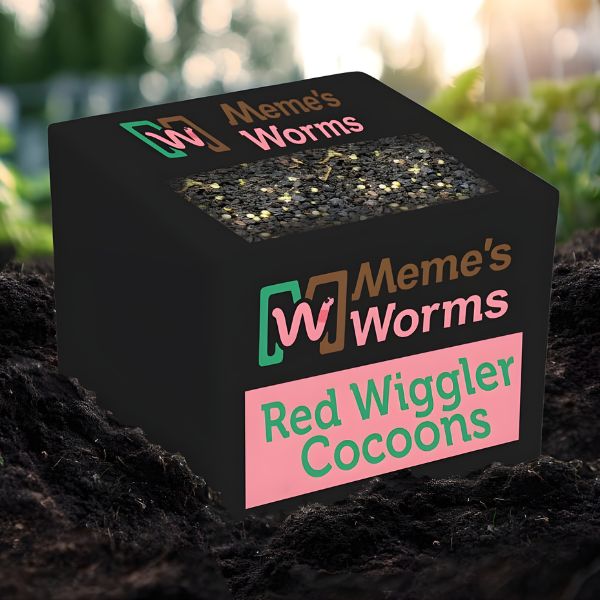
Pure Red Wigglers Worm Cocoons - Composting Worms Eisenia Fetida
Our Worm Cocoons (Eisenia fetida) are a simple, reliable, and eco-friendly way to start or expand your composting setup. Each order includes cocoons embedded in rich, biologically active material to preserve freshness and composting potential during transport.